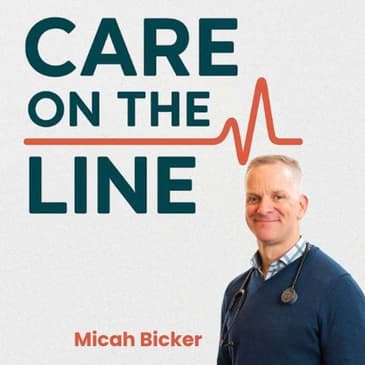
Welcome back to Care On The Line, where patient stories meet advocacy in action! In today’s powerful episode, Micah Bicker dives deep into what happens after you or a loved one hears the life-changing words: “You have a diagnosis.” This conversation is all about what comes next: the crucial first steps, the most common mistakes patients make, and how to organize the flood of information that follows.
Micah Bicker brings honest, practical advice for both patients and caregivers, from documenting key medical details to building a stronger, more open relationship with your healthcare team. We’ll navigate through common misunderstandings around government healthcare policies, break down the realities of advocating for yourself, and explore the essential role of caregivers, not just at the bedside, but in managing logistics, paperwork, and emotional support.
Whether you’re newly diagnosed, caring for someone you love, or a provider eager to empower your patients, this episode is packed with insider tips and thought-provoking takeaways to help you move from reaction to action. Grab a notebook and get ready to upgrade your advocacy toolkit, because the journey toward better care starts right now.
Timestamps:
00:00 EMTALA: Guaranteed Emergency Healthcare
06:16 Misinformation's Harmful Impact
14:08 "Advocating for Yourself in Healthcare"
16:40 "Support and Advocacy in Diagnosis"
23:37 "Importance of Clarity and Details"
28:42 Importance of Clear Health Records
34:40 Wearable Tech Enhancing Health Tracking
39:20 "Caregiver Strain and Support"
44:37 "Patient Advocacy is Essential"
51:15 Medication Coverage Inequality
59:33 Caregiver Bonds and Human Connection
01:03:12 Recognizing Signs for Extra Support
01:05:59 "What's Most Important Here?"
Insights on Empowering Patients After a Diagnosis: Key Takeaways from Care on the Line
Navigating the first hours and days after receiving a diagnosis can feel overwhelming for any patient or caregiver. The podcast "Care on the Line" episode two, featuring Micah Bicker, dives deep into actionable strategies patients can use to feel empowered, organized, and supported throughout their healthcare journey. Here are crucial insights and tips shared during the episode that can help you take control after hearing words no one wants to hear: a diagnosis.
Emotional Impact and the Importance of Honesty
A diagnosis, whether minor or major, typically triggers an emotional response that can make it difficult to absorb subsequent information. Micah Bicker emphasized, "As soon as I say you have breast cancer, you get triggered and nothing I say after that is going to land." The biggest mistake patients make after hearing a diagnosis is withholding important details or not being fully honest with their provider. Whether concerns relate to missing work, finances, or pain management, being upfront is critical. As Micah Bicker pointed out, healthcare providers may have resources or solutions that patients are unaware of, but these can be provided only if the provider knows about the challenges.
The Power of Documentation and Medical Records
One of the top non-negotiables for patients is thorough documentation. Patients should immediately document labs, visit notes, timelines, insurance contacts, and more. Micah Bicker recommended using digital tools like MyChart to leave messages for providers. These messages become part of your permanent record. If something is inaccurate or misunderstood, patients can dissent in writing, creating a clear record trail. Family members can also be listed as agents on medical records, ensuring continuity and support in communication and documentation.
Bring Support to Appointments
Receiving a diagnosis can send a patient into fight-or-flight mode, making recall and decision-making nearly impossible. Micah Bicker stated clearly, "Bring somebody with you. I would rather have two or three people in the room for that discussion than one person who may not get to hear anything past the first few words I say." Advocates can ask the vital questions you might forget or process information you are not emotionally ready to absorb.
Navigating Insurance and Administrative Barriers
Dealing with insurance, coverage, and referrals can be confusing and stressful. The episode highlights the importance of using resources like the 800 number on the back of your insurance card and being persistent in making calls or chatting online. If initial attempts at resolving issues fail, Micah Bicker encouraged patients to reach out to their healthcare team, as providers often have access to social workers and administrative staff who can help navigate these hurdles.
Tools for Organizing Health Information
Effective organization can transform your healthcare experience. Micah Bicker praised patients who arrive with notebooks detailing blood sugars, blood pressure, medications, and logs of symptoms. Data from wearables like glucose monitors and fitness trackers can also be incredibly helpful. If the patient is not comfortable with technology, handwritten records are just as valuable and can be scanned into charts.
The Caregiver’s Role
Caregivers play a pivotal role in advocating for the patient and keeping records. However, as discussed in the episode, caregivers need support themselves, especially when caring for those with complex needs. Providers often focus on giving respite advice, connecting caregivers with resources, and ensuring they take care of themselves to better support their loved ones.
Building a Therapeutic Alliance
A strong relationship between the patient and provider makes a world of difference. Being open, honest, and communicative helps the provider advocate for the patient and fosters mutual trust and better outcomes. As Micah Bicker described, “When you can actually connect with somebody, you have lassoed a resource that will be invaluable.”
Final Thoughts
Advocacy starts the moment questions arise. Patients and caregivers should document everything, stay honest, bring support to appointments, and remain organized. Building a collaborative relationship with healthcare providers and utilizing available tools can shift the healthcare journey from overwhelming to empowering. Remember, knowledge is power, and documentation is your ally in every step of your health journey.
For more practical tips and compassionate insights, listen to Care on the Line’s second episode and check back for future updates aimed at transforming patient reactions into proactive actions.
Podcast´s Website - https://careonthelinepodcast.com/
Podcast´s Host - https://www.linkedin.com/in/micah-bicker/
Podcast Powered by TopHealth - https://tophealth.care/
“Disclaimer: Informational only. Not medical advice. Consult your doctor for guidance.”